For over 2,500 years, the teachings of the Buddha have offered a path to freedom from suffering and liberation from saṃsāra—the endless cycle of birth and death governed by ignorance and attachment. The Buddha did not create a new faith; he revealed the true nature of the mind and the laws of cause and effect that govern all experience. His teachings are both profound and practical, guiding anyone from any background toward ultimate peace and liberation.

The Heart of the Buddha’s Path

At its essence, Buddhism is about transforming the mind. The Buddha taught that all beings possess the potential for complete awakening—this is our true nature. By training the mind through study, reflection, and meditation, we gradually free ourselves from the grasp of anger, ignorance, and desire, awakening to boundless wisdom and compassion. This awakening brings freedom from the causes of suffering and ultimately leads to liberation from saṃsāra itself.

The path unfolds through three foundations known as the Three Trainings:

  • Ethical discipline (Śīla): living with mindfulness and kindness toward all beings.
  • Meditation (Samādhi): cultivating inner calm and insight through contemplation.
  • Wisdom (Prajñā): realising the true nature of reality—free from illusion and grasping.

Together, these lead to the state of Buddhahood (enlightenment), the complete and unchanging liberation of mind.

20250730_133302_

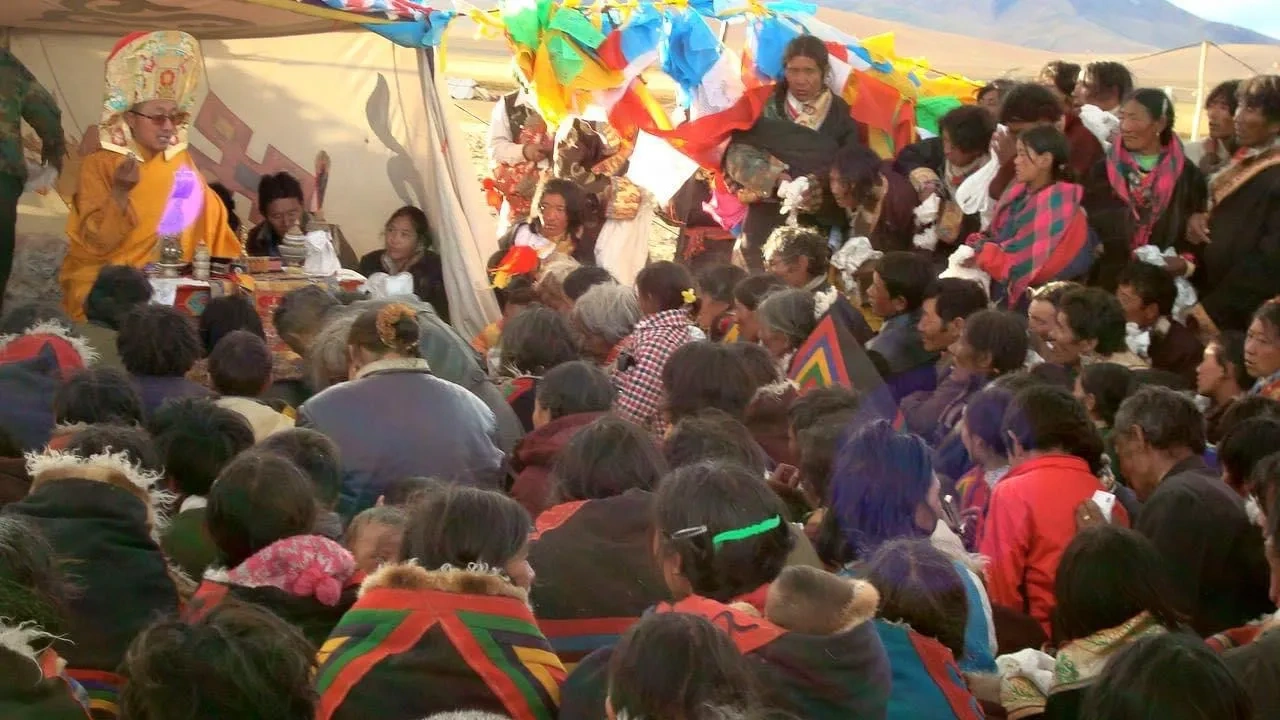
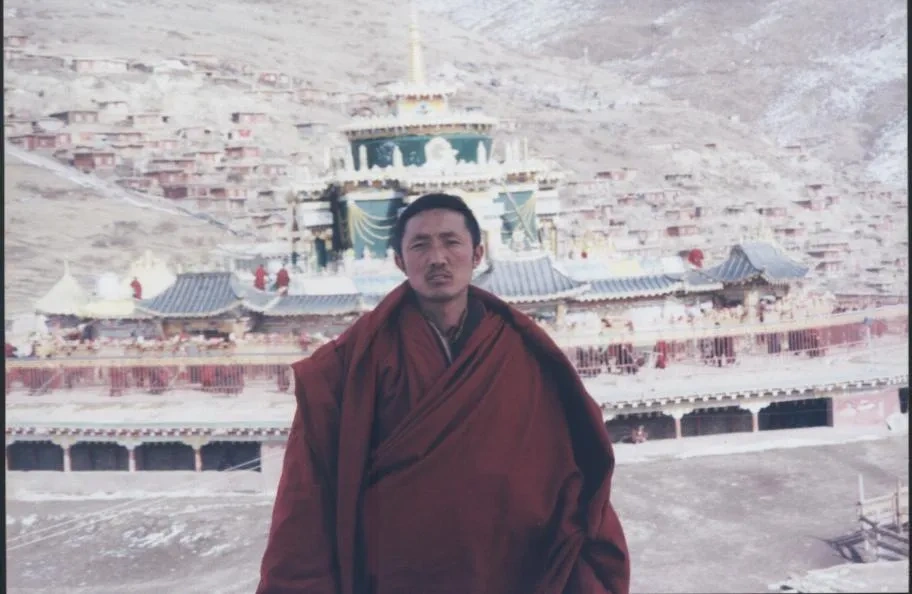
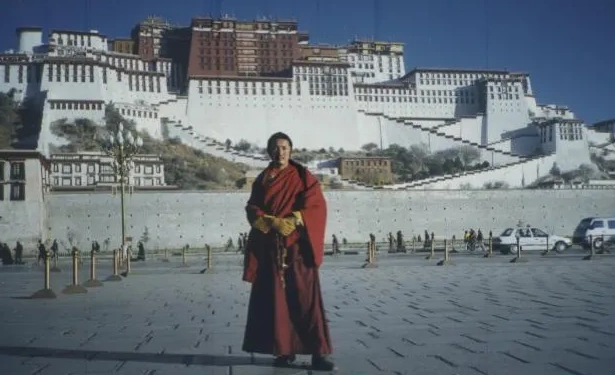
Tibetan Buddhism arose as an unbroken lineage of these teachings, blending the vast compassion of the Mahāyāna with the profound methods of Vajrayāna practice. Over centuries, the great masters of Tibet preserved and perfected these traditions through study, meditation, and transmission. Monasteries became living universities—places where monks trained not only in philosophy and ritual, but in the direct experience of awakening.

The Kagyü lineage, to which Dhonggar Palri Monastery belongs, was founded through the realised masters Marpa, Milarepa, and Gampopa. Its teachings focus on Mahamudrā—the direct experience of the mind’s true nature—supported by devotion, compassion, and disciplined practice

IMG_0984_

To begin the Buddhist path, one first takes refuge in the Three Jewels:

  • The Buddha, the teacher who shows the way;
  • The Dharma, the truth and methods he taught;
  • The Sangha, the community of practitioners who guide and support the journey.


From this foundation, practitioners cultivate Bodhicitta, the awakened heart that seeks enlightenment not for oneself alone but for the benefit of all beings. Through ethical conduct, meditation, and insight, one gradually purifies the mind and transcends the delusions that bind us to saṃsāra, moving step by step toward awakening.

Whether one lives as a monk or a layperson, the heart of Buddhist practice remains the same: to tame the mind, awaken compassion, and realise liberation for the sake of all beings.


In a world of rapid change and distraction, the timeless teachings of the Buddha remain a source of refuge and renewal. They remind us that true peace cannot be found in external conditions, but only within the stillness of the heart.

Through the compassionate guidance of His Holiness Tulku Karma Trinley Thubten Chöje Gyaltsen Rinpoche and the continued efforts of Dhonggar Palri Monastery, these precious teachings continue to flourish—offering light, wisdom, and the path toward ultimate liberation for all who seek it.